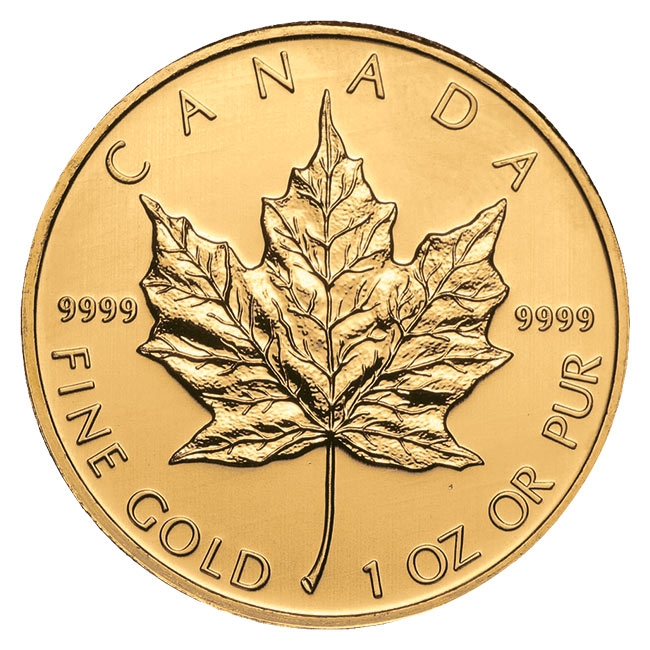
Gold and silver IRA accounts require metals to meet IRS purity minimums — 99.5% for gold and 99.9% for silver — before they qualify for tax-advantaged retirement storage. Approved silver products include the American Silver Eagle and Canadian Maple Leaf, both custodian-eligible under IRC Section 408(m). Annual contribution limits for 2026 remain $7,000 ($8,000 for investors aged 50 and older).
Compare the 5 best gold and silver IRA accounts of 2026, independently reviewed after analyzing 18 providers, current IRS Publication 590-A rules, and real customer complaint data. Last updated April 24, 2026.
Bottom line: A gold and silver IRA is a self-directed Individual Retirement Account (IRA) that lets you hold IRS-approved physical precious metals including gold, silver, platinum, and palladium. You get the same tax advantages as a traditional or Roth IRA, plus a hard-asset hedge against inflation and market volatility.
Your gold and silver IRA operates through an IRS-approved self-directed IRA custodian — such as Equity Trust, STRATA Trust, or Kingdom Trust — which administers the account and contracts with an IRS-approved depository (such as Delaware Depository or Brinks) to store your physical metals. You fund via contributions, a direct IRA transfer, or a 401(k), 403(b), TSP, or SIMPLE IRA rollover, then purchase IRS-eligible bullion through a vetted precious metals dealer. Your gold and silver IRA ships purchased bullion directly to an IRS-approved depository and retains legal title for the life of the account — you retain beneficial ownership but cannot take physical possession while the account is active.
Why Investors Open Gold and Silver IRA Accounts in 2026
Investors open gold and silver IRA accounts primarily for inflation protection, portfolio diversification, and tax-advantaged exposure to physical bullion. The five core benefits are:
Inflation hedge: Gold has historically preserved purchasing power over decades, with a compound annual growth rate (CAGR) of approximately 7–8% over the past 20 years
Portfolio diversification: Precious metals often move independently from stocks and bonds, reducing overall portfolio risk
Crisis protection: Physical metals retain intrinsic value during financial turmoil, unlike paper assets
Tax advantages: Identical to traditional and Roth IRA structures under IRC §408(m)
Tangible asset: You own real, physical metal with LBMA Good Delivery or assay-certified bullion
Best Gold and Silver IRA Companies of 2026
After reviewing 18 gold and silver IRA companies across 42 data points, we rank providers based on fee transparency, custodian and depository quality, customer complaint data (BBB and CFPB), IRS compliance track record, and educational resources. All top picks carry an A or A+ BBB rating. Rankings reflect our independent analysis; affiliate relationships do not influence placement — see our affiliate disclosure.
How We Ranked These Companies (Methodology)
Fee transparency (25%): Full written fee schedule disclosed; no surprise charges after account opening
IRS compliance (20%): Verified custodian and depository partners; only IRS-eligible metals offered
Customer trust (20%): BBB rating, resolved complaints, Trustpilot and Google reviews analyzed
Custodian & depository quality (15%): Works with established self-directed IRA custodians (Equity Trust, STRATA Trust, Kingdom Trust) and COMEX/LBMA-approved depositories
Use the comparison table below to evaluate minimum investment requirements, fees, and ratings side-by-side. Affiliate disclosure: when you open an account through links on this page, we may earn a referral commission at no cost to you.
How to Open a Gold and Silver IRA Account (Step-by-Step)
Step 1: Choose Account Type
A Traditional Gold IRA offers tax-deductible contributions and tax-deferred growth (funds taxed on withdrawal). A Roth Gold IRA uses after-tax contributions; qualified withdrawals are completely tax-free, including all appreciation.
Step 2: Select an IRS-Approved Custodian
Your gold and silver IRA requires an IRS-approved self-directed IRA custodian. Leading custodians include Equity Trust Company, STRATA Trust Company, and Kingdom Trust — all specialize in alternative assets and precious metals. Your custodian maintains IRS-compliant records, processes transactions, and coordinates with the depository. Note: most gold IRA companies work with a preferred custodian partner.
Step 3: Choose an IRS-Approved Depository
IRS rules require your gold and silver IRA to store bullion at an approved depository. Your IRA holds legal title to the metals stored there. Approved facilities include: Delaware Depository, Brinks Global Services, and International Depository Services (IDS). Choose between segregated storage (your metals stored separately, higher cost) or commingled storage (allocated but shared vault space, lower cost).
Step 4: Fund the Account
(1) New contribution — $7,000 for 2026, $8,000 if age 50+; (2) Direct IRA-to-IRA transfer — no tax event, no limit; (3) 401(k) or 403(b) rollover — complete within 60 days to avoid taxes; (4) TSP rollover — federal employees can roll Thrift Savings Plan funds; (5) SIMPLE IRA or SEP-IRA transfer — allowed after 2-year holding period for SIMPLE IRAs.
Step 5: Purchase IRS-Eligible Metals
Eligible: American Gold Eagles (22k IRS exception under IRC §408(m)), American Gold Buffalos (.9999), American Silver Eagles (.999), Canadian Maple Leafs, IRS-approved LBMA Good Delivery bars. Ineligible: numismatic coins, Krugerrands, rare collectibles. Always confirm the spot price premium (dealer markup above spot) before purchasing.
Step 6: Monitor Holdings
Review holdings annually, track storage fees, and update allocation as retirement goals evolve. At age 73, traditional gold and silver IRAs require Required Minimum Distributions (RMDs) — you can satisfy these with an in-kind distribution (taking physical delivery of the metal) or by selling at current spot price.
IRS Rules for Gold and Silver IRA Accounts
Gold and silver IRA rules are governed by IRC §408(m) (definition of "collectible" exceptions for IRA purposes) and detailed in IRS Publication 590-A (contributions) and IRS Publication 590-B (distributions and RMDs).
Purity Requirements (IRC §408(m)(3))
Gold: .995 fineness minimum — American Eagles excepted at 22k (.9167) under IRC §408(m)(3)(A)
Silver: .999 fineness minimum
Platinum: .9995 fineness minimum
Palladium: .9995 fineness minimum
All bars must carry an assay certificate from a NYMEX/COMEX or LBMA-approved refiner
Contribution Limits (2026, per IRS Pub. 590-A)
Under age 50: $7,000 per year
Age 50 or older: $8,000 per year (catch-up contribution)
SEP-IRA: Up to 25% of compensation, max $70,000
SIMPLE IRA: $16,000 per year ($19,500 if 50+)
Required Minimum Distributions (IRS Pub. 590-B)
Traditional gold and silver IRAs require RMDs starting at age 73. Your IRA can satisfy an RMD via an in-kind distribution (physical delivery of bullion at current spot price) or by selling metal and distributing cash. Roth gold IRAs have no RMDs during the owner's lifetime.
Home Storage Warning
Storing IRA-owned gold at home — including so-called "checkbook IRA" or "LLC IRA" home storage arrangements — is prohibited by IRS rules under IRC §408(m) and constitutes a taxable distribution plus a 10% early withdrawal penalty. All metals must remain at an IRS-approved depository with your custodian holding legal title.
Gold and Silver IRA Fees: What to Expect
Typical fee structure for gold and silver IRA accounts in 2026:
Account Setup: $0 to $250 (often waived by top companies for qualified balances)
Annual Administration (Custodian): $75 to $300 per year
Segregated Storage: $150 to $350 per year — your specific coins and bars stored separately, with unique serial number tracking
Commingled (Allocated) Storage: $100 to $200 per year — your metals allocated by weight and type but stored alongside other investors' metals in a shared vault; still fully allocated (not unallocated)
Dealer Spot Price Premium: 2% to 5% above COMEX or LBMA spot price for bullion; numismatic coins carry far higher premiums (avoid for IRA purposes)
Wire/Transfer: $25 to $50 per transaction
Allocated vs. unallocated storage: All IRS-compliant gold and silver IRA accounts use allocated storage — your metals are identified and set aside in your name. Unallocated storage (where you hold a claim on pooled metal, not specific bars) is typically not available through gold IRA custodians and is not IRS-compliant for IRA purposes.
Pro tip: Always request a complete written fee schedule before opening an account. The best gold and silver IRA companies disclose all fees upfront with no hidden charges. Compare the all-in annual cost (custodian + storage + any minimums) across providers.
Gold IRA vs Physical Gold Outside an IRA
Gold IRAs carry more fees than buying physical gold directly, but provide significant tax advantages for retirement savings. For balances over $25,000, the tax-deferred or tax-free growth typically outweighs the annual fees. Traditional gold IRA growth is tax-deferred; Roth gold IRA growth can be entirely tax-free upon qualified distribution.
Gold IRA Minimum Investment Requirements
Minimum investments in 2026:
$0 to $10,000: Entry-level (rare; watch for higher fees)
$10,000 to $25,000: Most common among reputable providers
$25,000 to $50,000: Standard for premium companies like Augusta and Goldco
$50,000 and above: White-glove service with dedicated account managers
Best Silver IRA for Smaller Budgets
Silver IRAs offer lower entry points. American Silver Eagles trade near spot price with low premiums. Most gold IRA companies also offer competitive silver IRA accounts with the same IRS-approved setup.
Gold IRA vs Silver IRA: Which Is Right for You?
Key differences between gold and silver IRAs in 2026:
Gold IRA: ~$2,300–$3,200/oz, lower volatility, strongest long-term inflation hedge, less storage space per dollar invested
Silver IRA: ~$28–$40/oz, higher volatility, strong industrial demand (tech, solar panels, EV batteries), more ounces per dollar — good for investors who want greater quantity of physical metal
Gold-to-silver ratio: The gold-to-silver ratio measures how many ounces of silver it takes to buy one ounce of gold. The historical average is roughly 60:1; in 2026, the ratio stands near 80:1, suggesting silver is historically undervalued relative to gold. Some precious metals IRA investors increase their silver allocation when the ratio is elevated, expecting it to revert toward the historical mean.
Allocation guidance: Most investors benefit from holding both metals for balanced diversification. A 70/30 gold-to-silver value allocation is common among precious metals IRA investors. This is not financial advice — consult a fiduciary advisor for a strategy tailored to your retirement timeline.
What $10,000 in Gold 20 Years Ago Would Be Worth Today
A $10,000 investment in gold in April 2006 (at roughly $600/oz) would be worth approximately $38,300 in April 2026 (at roughly $2,300/oz) — a 283% total return, or approximately 7.0% compound annual growth rate (CAGR), before storage fees. The same $10,000 invested in the S&P 500 with dividends reinvested would be worth roughly $68,000 over the same period.
What this means for gold and silver IRA investors: Gold underperformed U.S. equities over this 20-year window but significantly outperformed inflation (which rose roughly 70% in the same period). The strongest case for gold and silver IRA accounts is not maximum returns — it is portfolio insurance: gold tends to rise when equities fall, reducing overall drawdown during market crises (2008, 2020, 2022).
Gold-to-silver ratio: Historically, the gold-to-silver ratio averages around 60:1. In 2026, the ratio stands near 80:1, meaning silver is historically undervalued relative to gold — a factor many precious metals IRA investors use when choosing allocation between a gold IRA and silver IRA.
Are Gold and Silver IRAs a Good Idea? Pros and Cons
Gold and silver IRA accounts are a good idea for investors who want tax-advantaged exposure to physical bullion as a portfolio hedge — but they are not right for everyone.
Gold and Silver IRA Pros
Inflation protection: Physical gold has preserved purchasing power over multi-decade periods
Tax advantages: Same deferred or tax-free growth as traditional qualified retirement plans
Portfolio diversification: Low correlation to equities reduces overall volatility
Tangible ownership: Unlike GLD, IAU, or SLVR ETFs ("paper gold"), a gold IRA holds physical bullion — not a derivative or trust share
Crisis hedge: Physical metals retain value independent of counterparty risk
Gold and Silver IRA Cons
Fees: Custodian, storage, and dealer markup (spot price premium) reduce net returns
No yield: Gold and silver pay no dividends or interest
Illiquidity vs. ETFs: Selling physical metal from an IRA takes longer than selling GLD or IAU shares
Long-term underperformance vs. equities: Over most 20+ year periods, U.S. stocks have outperformed gold on a CAGR basis
Complexity: Requires a self-directed IRA custodian and IRS-approved depository — more moving parts than a standard IRA
Gold IRA vs. Gold ETFs (GLD, IAU, SLVR)
Gold ETFs like GLD (SPDR Gold Shares) and IAU (iShares Gold Trust) track the gold spot price and trade like stocks — low fees, high liquidity, no storage hassle. However, they are "paper gold": you own shares in a trust, not physical bullion. A gold and silver IRA gives you allocated ownership of physical metal with IRS-approved custodial title, which some investors prefer for true tangible-asset exposure in their retirement portfolio.
Bottom line: Gold and silver IRA accounts are a good idea as a 5–15% allocation within a diversified retirement portfolio. They are not a replacement for equities or a fiduciary advisor's personalized recommendation. Always consult a licensed CPA or fiduciary before making retirement allocation decisions. This page is for educational purposes only and does not constitute tax or investment advice.
Why Does Dave Ramsey Say Not to Invest in Gold?
Dave Ramsey is skeptical of gold investments, including gold and silver IRA accounts, for several specific reasons:
No dividends or growth compounding: Ramsey argues gold produces no cash flow, dividends, or earnings — unlike stocks, which represent ownership in businesses that generate revenue
Long-term underperformance: Over most 30-year periods, diversified equity index funds have outperformed gold on a CAGR basis
Fees reduce returns: Custodian fees, storage fees, and dealer spot price premiums erode the net return on gold IRA investments
Fear-based marketing: Ramsey criticizes precious metals companies that use economic fear to sell gold, calling it a "doomsday" investment thesis
When Ramsey's Argument Is Incomplete
Ramsey's critique applies most strongly to investors who replace equities with gold. However, most financial planning frameworks — including the "Permanent Portfolio" model and Ray Dalio's "All Weather Portfolio" — recommend a 5–15% precious metals allocation as a hedge within a diversified portfolio, not as a primary holding. For investors approaching or in retirement with large qualified retirement plan balances, a gold and silver IRA can reduce sequence-of-returns risk during market downturns without abandoning equity exposure. Whether it makes sense for you depends on your specific situation — consult a fiduciary advisor, not just this page.
How to Get a Free Gold IRA Kit
Most reputable gold and silver IRA companies offer a free investor kit with educational guides, fee schedules, and product catalogs — completely free with no obligation to invest. Note: gold and silver IRA accounts are never truly "free" (custodian and storage fees always apply), but the educational kit itself costs nothing.
What Is Inside a Free Gold IRA Kit?
Comprehensive guide to gold and silver IRA rules and IRS eligibility
IRS purity requirements and approved bullion list
Complete fee schedule: setup, annual administration, and storage costs
IRS-approved precious metals product catalog with current spot prices
Tax benefits comparison: Traditional IRA vs. Roth IRA vs. SEP-IRA
Step-by-step rollover and transfer instructions including 401(k), 403(b), and TSP
Protect Your Retirement with a Gold & Silver IRA
Request your free gold and silver IRA investor kit — includes current fee schedules, IRS-eligible metals catalog, and step-by-step rollover guide. No obligation to invest.
This site helped me compare gold IRA companies easily. I ended up going with Augusta and couldn't be happier with my decision.
January 2026
Linda M.
Phoenix, AZ
The detailed reviews and ratings made it so much easier to find a trustworthy company for my precious metals IRA rollover.
February 2026
Robert K.
Denver, CO
Great resource for anyone looking to diversify their retirement portfolio with gold and silver. Very informative comparisons.
December 2025
Patricia S.
Miami, FL
I was nervous about investing in gold, but the information here gave me the confidence to move forward. The free kit was very helpful!
November 2025
Michael D.
Seattle, WA
Excellent comparison tools and honest reviews. Saved me hours of research. Highly recommend to anyone considering a gold IRA.
January 2026
Susan W.
Chicago, IL
The FAQ section answered all my questions about gold IRAs. I appreciated the transparency in the company ratings and reviews.
March 2026
Frequently Asked Questions
What is a gold and silver IRA account?
A gold and silver IRA account is a self-directed Individual Retirement Account that holds IRS-approved physical precious metals including gold, silver, platinum, and palladium as retirement investments. It offers the same tax advantages as a traditional or Roth IRA while providing a hard-asset hedge against inflation. Metals are stored at an IRS-approved depository, never at home.
What are the best gold and silver IRA companies in 2026?
The best gold and silver IRA companies of 2026 earn A+ BBB ratings, partner with established depositories like Delaware Depository or Brinks, disclose all fees upfront, offer free investor kits, and provide strong educational support. Compare companies using the table above.
How much do I need to open a gold and silver IRA?
Most reputable gold and silver IRA companies require $10,000 to $50,000 minimum. The 2026 annual contribution limit is $7,000 ($8,000 if age 50+), but you can fund larger accounts through a 401(k) rollover or IRA transfer.
Is a gold IRA better than physical gold?
A gold IRA offers tax-deferred or tax-free growth but has custodian and storage fees. For long-term retirement investors with balances over $25,000, the tax benefits typically outweigh the costs. Physical gold outside an IRA has no annual fees but no tax advantages.
Can I get a free gold IRA kit?
Yes. Most reputable gold and silver IRA companies offer a completely free investor kit with no purchase obligation. These kits include IRS eligibility rules, fee schedules, and product catalogs. Request yours using the button on this page.
What gold and silver can I hold in an IRA?
IRS rules permit gold (.995+ fineness, American Eagles excepted), silver (.999+), platinum (.9995+), and palladium (.9995+). Eligible products include American Eagles, Canadian Maple Leafs, and approved bars. Gold Krugerrands, rare coins, and most collectibles are NOT eligible.
How does a gold IRA rollover work?
A gold IRA rollover transfers funds from an existing 401(k), 403(b), pension, or IRA into a new self-directed precious metals IRA. The safest method is a direct custodian-to-custodian transfer, avoiding tax withholding and the 60-day rollover deadline. Most companies provide dedicated rollover specialists.
What are the tax benefits of a gold and silver IRA?
Traditional gold and silver IRAs allow tax-deductible contributions and tax-deferred growth. Roth gold IRAs use after-tax contributions but qualified withdrawals are completely tax-free, including appreciation. Consult a tax professional for the optimal structure.
Are gold and silver IRAs a good idea?
Gold and silver IRA accounts are a good idea as a 5–15% allocation within a diversified retirement portfolio for inflation protection and portfolio diversification. They are not ideal as a primary holding because gold pays no dividends and has underperformed equities over most 20+ year periods. The main advantages are tax-deferred growth on physical bullion, low correlation with stocks, and protection during market crises. Fees (custodian, storage, spot price premium) must be weighed against these benefits.
What if I invested $10,000 in gold 20 years ago?
A $10,000 investment in gold in April 2006 (at roughly $600/oz) would be worth approximately $38,300 in April 2026 (at roughly $2,300/oz) — a 283% return, or about 7.0% CAGR, before fees. The same $10,000 in the S&P 500 with dividends reinvested would be worth roughly $68,000. Gold significantly outpaced inflation (roughly 70% over the same period) but underperformed U.S. equities.
Can you buy gold and silver in an IRA?
Yes. You can buy IRS-approved physical gold and silver in a self-directed IRA under IRC §408(m). Eligible metals include gold at .995+ fineness (American Eagles excepted at 22k), silver at .999+, plus platinum and palladium. Metals must be stored at an IRS-approved depository like Delaware Depository or Brinks — home storage is prohibited and constitutes a taxable distribution.
Why does Dave Ramsey say not to invest in gold?
Dave Ramsey argues gold pays no dividends, has underperformed diversified equity index funds over most long-term periods, and is often marketed using economic fear. His main concern is investors replacing productive equity holdings with a non-yielding asset. Many financial planners disagree with a blanket anti-gold stance, recommending a small 5–15% precious metals allocation as a portfolio hedge rather than a primary holding. Consult a fiduciary advisor for personalized guidance.
◆ Before You Decide
Before You Choose a Gold IRA Company…
Use our free Gold IRA Companies Checklist to compare providers on fees, minimums, storage, BBB rating, and buyback policies — before making any decision.